



iteso
Departamento de Procesos Tecnológicos e Industriales

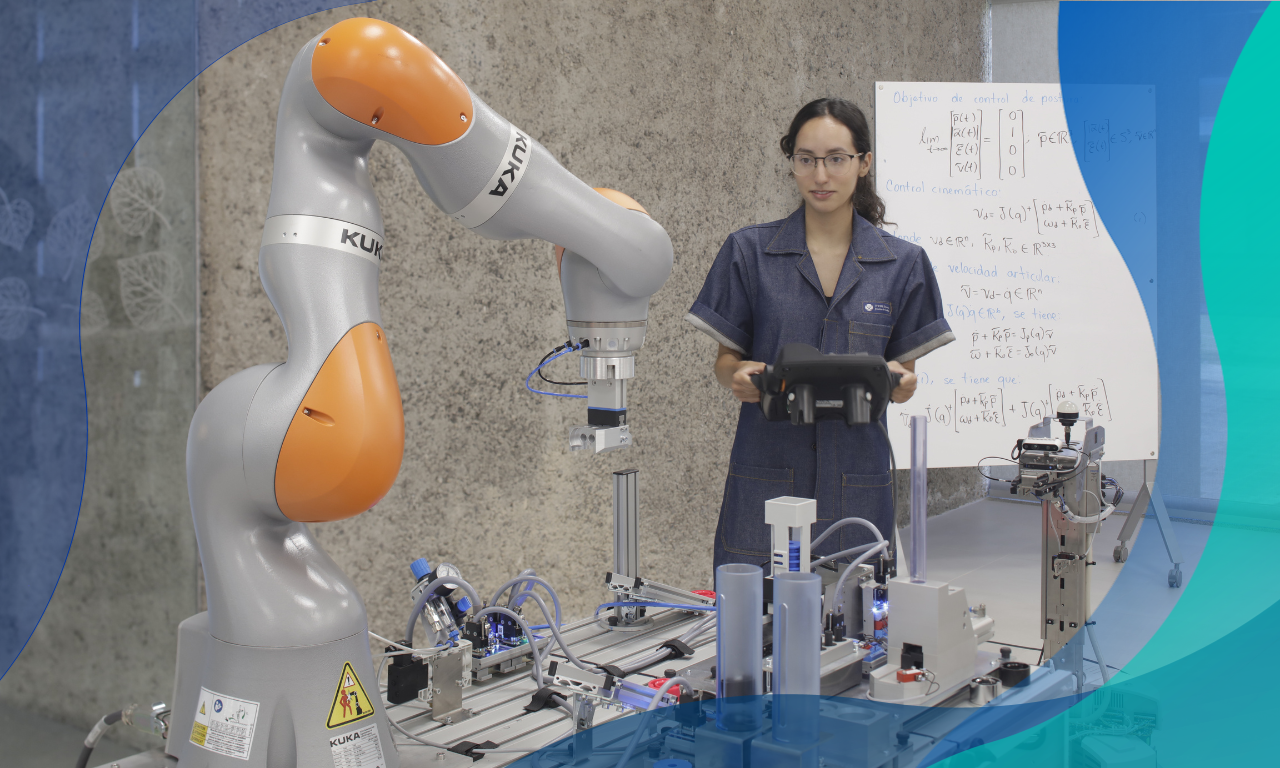
El departamento centra su estudio en las ciencias aplicadas y la tecnología para la transformación de los recursos naturales en beneficio de la humanidad. 
iteso

INVESTIGACION_DPTI_BL5

What are Research Programs (RPs)?

They organize the networks of problems that the university investigates, grouping common interests of researchers.

Research Programs (RPs) are organizational structures attached to a department or center, which guide and promote research in that or several departments whose substantive task is to generate relevant knowledge, in accordance with the Mission and Fundamental Orientations (OFI) of ITESO.

Currently, ITESO has ten research projects distributed across eleven departments, encompassing 47 lines of inquiry, objects, or problems on which the university conducts research. These projects generate theoretical and practical knowledge in areas such as technological development; sociocultural production; human rights; democracy; human habitat; natural resources; the environment; psycho-socio-cultural processes; socio-educational practices; health; economics; marketing; business development; alternatives to social, environmental, economic, and political inequalities; and social practices that manifest the moral dimension of human life, among others.

Research Projects (RPs) are spaces that allow us to generate and share research across various fields of knowledge, thereby fostering interdisciplinarity and collaborative networks among researchers throughout the university. We aim to promote high-quality research that helps solve the problems we face as a society and enables networking with other universities.

Department of Technological and Industrial Processes

Its Research Program (RP) is geared towards activities that allow for direct or indirect intervention in national problems. It boasts a multidisciplinary physical, instrumental, and intellectual infrastructure that enables comprehensive solutions in the development of research, development, and innovation (R&D&I) projects. To this end, its work is organized into seven lines of action.

Direct Lines.

Environmental Management: Improve knowledge about ecosystem services and their relationship to human health and well-being. Develop and apply methodologies to understand, quantify, and predict cumulative environmental changes caused by water, urban, and energy projects. Develop applied knowledge, technology, and management tools to prevent, mitigate, or compensate for changes in ecosystems and their impacts on vulnerable communities and future generations.

Energy transition: Develop technology for energy saving and efficient use in production processes. Develop applied knowledge and technology for harnessing renewable energy in processes that are economical and timely for addressing domestic or productive, rural or urban problems.

Food Sovereignty: Study agricultural products containing underutilized bioactive substances and explore their full potential. Design and develop functional foods that prevent acute and chronic diseases using probiotic microorganisms and nutraceuticals. Develop processes for the secondary use of food industry waste to achieve better economic returns and a reduced environmental impact. Study agricultural supply chains and propose alternatives to improve their economic performance and reduce their environmental impact.

Health: Develop prevention systems, predictive intelligence, and more accurate and intuitive devices in the areas of functional food analysis, cell therapy, and the development of biologically compatible prostheses.

Education: To promote the development of competence in science, technology, engineering and mathematics (STEM) through student participation in research, development and innovation projects.

Alternative Lines (Technological and Process Development).

Process Engineering: Research projects focused on finding efficient processes that adapt to the diverse production and distribution models of the food, energy, environmental, and medical industries are developed within the Industrial Engineering, Chemical Engineering, and postgraduate programs in Quality Engineering and Management. This is complemented by technological development through the Master's program in Product and Process Engineering.

Instrumentation: From Mechanics and Mechatronics, highly efficient tools are generated that contribute to the study of national problems through the generation of instrumentation and equipment that contribute to the growth of the community and industry.

Program Coordinator:
Dr. Carmen Patricia Guillén Flores
cguillen@iteso.mx

Investigación

What are Research Programs (RPs)?

They organize the networks of problems that the university investigates, grouping common interests of researchers.

Research Programs (RPs) are organizational structures attached to a department or center, which guide and promote research in that or several departments whose substantive task is to generate relevant knowledge, in accordance with the Mission and Fundamental Orientations (OFI) of ITESO.

Currently, ITESO has ten research projects distributed across eleven departments, encompassing 47 lines of inquiry, objects, or problems on which the university conducts research. These projects generate theoretical and practical knowledge in areas such as technological development; sociocultural production; human rights; democracy; human habitat; natural resources; the environment; psycho-socio-cultural processes; socio-educational practices; health; economics; marketing; business development; alternatives to social, environmental, economic, and political inequalities; and social practices that manifest the moral dimension of human life, among others.

Research Projects (RPs) are spaces that allow us to generate and share research across various fields of knowledge, thereby fostering interdisciplinarity and collaborative networks among researchers throughout the university. We aim to promote high-quality research that helps solve the problems we face as a society and enables networking with other universities.

Department of Technological and Industrial Processes

Its Research Program (RP) is geared towards activities that allow for direct or indirect intervention in national problems. It boasts a multidisciplinary physical, instrumental, and intellectual infrastructure that enables comprehensive solutions in the development of research, development, and innovation (R&D&I) projects. To this end, its work is organized into seven lines of action.

Direct Lines.

Environmental Management: Improve knowledge about ecosystem services and their relationship to human health and well-being. Develop and apply methodologies to understand, quantify, and predict cumulative environmental changes caused by water, urban, and energy projects. Develop applied knowledge, technology, and management tools to prevent, mitigate, or compensate for changes in ecosystems and their impacts on vulnerable communities and future generations.

Energy transition: Develop technology for energy saving and efficient use in production processes. Develop applied knowledge and technology for harnessing renewable energy in processes that are economical and timely for addressing domestic or productive, rural or urban problems.

Food Sovereignty: Study agricultural products containing underutilized bioactive substances and explore their full potential. Design and develop functional foods that prevent acute and chronic diseases using probiotic microorganisms and nutraceuticals. Develop processes for the secondary use of food industry waste to achieve better economic returns and a reduced environmental impact. Study agricultural supply chains and propose alternatives to improve their economic performance and reduce their environmental impact.

Health: Develop prevention systems, predictive intelligence, and more accurate and intuitive devices in the areas of functional food analysis, cell therapy, and the development of biologically compatible prostheses.

Education: To promote the development of competence in science, technology, engineering and mathematics (STEM) through student participation in research, development and innovation projects.

Alternative Lines (Technological and Process Development).

Process Engineering: Research projects focused on finding efficient processes that adapt to the diverse production and distribution models of the food, energy, environmental, and medical industries are developed within the Industrial Engineering, Chemical Engineering, and postgraduate programs in Quality Engineering and Management. This is complemented by technological development through the Master's program in Product and Process Engineering.

Instrumentation: From Mechanics and Mechatronics, highly efficient tools are generated that contribute to the study of national problems through the generation of instrumentation and equipment that contribute to the growth of the community and industry.

Program Coordinator:
Dr. Carmen Patricia Guillén Flores
cguillen@iteso.mx


DPTI_PROGRAMAS_X_DEPARTAMENTO_BL1

iteso
Dirección del departamento

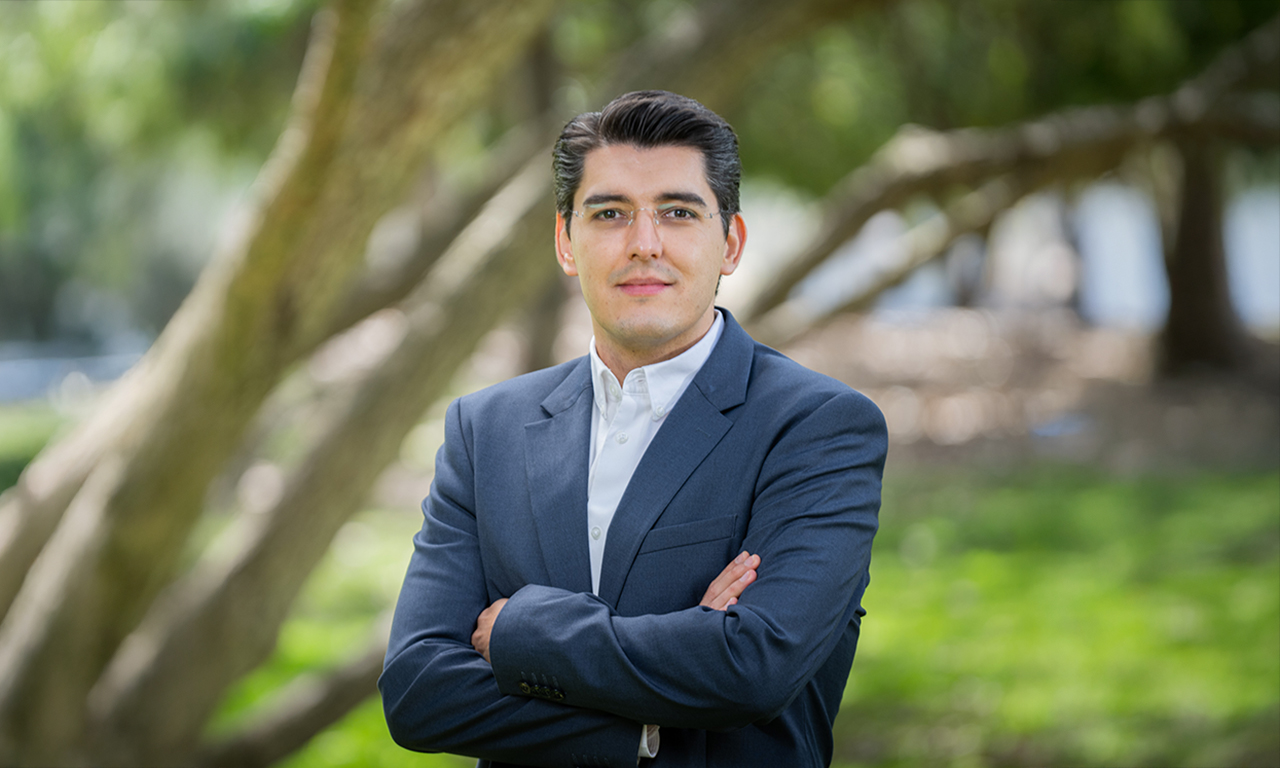
Dr. Raúl Arturo García Huerta

Cuenta con una sólida trayectoria en docencia, investigación y gestión de programas académicos. Actualmente se desempeña como Director del Departamento de Procesos Tecnológicos e Industriales, donde gestiona programas de licenciatura, posgrado, así como diversas iniciativas de investigación y planificación estratégica. Su enfoque está orientado a la mejora continua y la calidad académica, con un particular interés en el liderazgo académico y en el diseño de estrategias educativas que favorezcan el desarrollo integral de estudiantes y docentes.
 
Es Doctor en Ciencia de la Ingeniería, Maestro en Ciencia y Tecnología Espaciales por la Universidad Técnica de Múnich (TUM, Alemania), y Licenciado en Ingeniería Mecánica por el Instituto Tecnológico y de Estudios Superiores de Occidente (ITESO, México). Su investigación se centra en el desarrollo de sistemas de navegación satelital, vehículos aéreos no tripulados y sistemas de entrega aérea de precisión. Ha tenido la oportunidad de publicar y presentar sus trabajos en foros nacionales e internacionales.
 
Forma parte de diversas redes académicas internacionales, es miembro Senior de la IEEE y forma parte de la International Association of Jesuit Engineering and Science Schools (IAJES), donde actualmente ocupa el cargo de Vicepresidente. Su visión de la educación como motor de transformación social lo impulsa a trabajar en proyectos que integran la ingeniería, la investigación y el impacto social.

iteso
iteso
Datos de contacto:
33 3669 3434, ext. 3341 
ragarcia@iteso.mx 

CUERPO_ACADEMICO_DPTI_CTA3

Cuerpo académico

PUBLICACIONES_DPTI_BC7P

DIRECTORIO_DPTI_CTA4-5

Directorio

VER MÁS

Investigación en el ITESO

VER MÁS

Volver a inicio

VER MÁS